

|
|
|
|
|
|
Comments: Iran played Japan in the semi-final of the futsal tournament. If they win they will play Brazil in the final tomorrow! [video]https://www.youtube.com/watch?v=fT09PHh2Mv8&ab_channel=IranTeamMelli[/video]
Comments: Any news of what has happened in Iran the last 24 hours? For some reason, I am having a hard time finding anything. Rashti jAn that video is private. What was it about?
Comments: نماینده هلند در پارلمان اروپا خواستار دادگاهی شدن علیخامنهای در لاهه است و میگوید برای او سرنوشت مشابهی مانند آنچه برای اسلوبودان میلوشویچ، رئیسجمهوری وقت جمهوری فدرال یوگسلاوی و رادوان کارادزیچ، رهبر سابق صربهای بوسنی روی داد، متصور است. بارت گروتِس، نماینده هلند در پارلمان اروپا از جمله نمایندگانی است که به دلیل حمایت از مردم ایران و مخالفت با سرکوب آنها توسط مقامهای جمهوری اسلامی تحریم شده است. او در گفتوگو با یورونیوز خبر داده که شخصا نزد وزیر آموزش هلند رفته تا درباره پذیرش برخی دانشجویان نزدیک به مقامهای جمهوری اسلامی در هلند، هشدار دهد. او در دیدار با وزیر آموزش گفته «آنها یا باید راهی زندان شوند یا به ایران بازگردند، آنها در دانشگاههای ما جایی ندارند.» گروتِس در جلسه علنی پارلمان اروپا نقدهایی را متوجه جوزپ بورل، مسئول سیاست خارجی اتحادیه اروپا کرده بود. او در گفتوگو با یورونیوز نیز به موضع محافظهکارانه و میانهروانه بورل انتقاد دارد. گروتِس همچنین خواستار دادگاهی شدن علیخامنهای در دادگاه لاهه است و میگوید: «برای او سرنوشت مشابهی متصورم، مانند آنچه برای اسلوبودان میلوشویچ، رئیسجمهوری وقت جمهوری فدرال یوگسلاوی و رادوان کارادزیچ، رهبر سابق صربهای بوسنی روی داد.» صربستان میلوشویچ را به اتهام دست داشتن در جنایات جنگی در جنگهای داخلی کرواسی، بوسنی و کوزوو به دادگاه بینالمللی لاهه تسلیم کرد. کاراجیچ نیز سرنوشت مشابهی یافت. دادگاه لاهه در مارس ۲۰۱۶ کاراجیچ را به ارتکاب نسلکشی و جنایات علیه بشریت به ۴۰ سال حبس محکوم کرد.
Comments: باربَد گلشیری از «تخریب» مزار نیکا شاکرمی در خرمآباد خبر داد باربَد گلشیری، گورنگار، هنرمند و فرزند هوشنگ گلشیری، نویسنده شناختهشده ایرانی، در شبکه ایکس از «تخریب» مراز نیکا شاکرمی در خرمآباد خبر میدهد. گلشیری نوشته که علاوه بر «تخریب مزار»، درختان اطراف مزار نیکا، نوجوان کشتهشده در اعتراضات تهران، که در یکی از روستاهای خرمآباد دفن است را هم «شکستهاند، بر مزارش رنگ سیاه پاشیدهاند و آتشدانش را نابود کردهاند. راههای رسیدن به مزار را نیز بستهاند.» نیکا شاکرمی، شامگاه ۲۹ شهریور ۱۴۰۱ در جریان اعتراضات در بلوار کشاورز تهران ناپدید و پس از هشت روز جنازه او به خانوادهاش تحویل داده شد. نسرین شاکرمی، مادر نیکا شاکرمی، روز ۱۴ مهر در یک پیام ویدئویی که بهطور اختصاصی در اختیار رادیو فردا قرار داد، گفته بود که بر اساس گواهی پزشکی قانونی علت مرگ دخترش «اصابت ضربات متعدد جسم سخت» به سرش بوده است. جمهوری اسلامی روزها با پخش ویدئوهایی تلاش کرد تا بگوید که این نوجوان از بالای ساختمان نیمهکارهای در نزدیکی خانه آتش شاکرمی، خالهاش که با او زندگی میکرد، به پایین پریده و خودکشی کرده است. با این حال خانواده این نوجوان معترض تأکید میکنند که او برای شرکت در اعتراضات از خانه خارج شد و ویدئویی از وی در حالی که بدون روسری روی یک سطل زباله و در میان معترضان ایستاده، منتشر شده است. باربَد گلشیری، در جریان اعتراضات، برای مزار شماری از معترضان کشتهشده، از جمله علی روزبهانی، یک نشان فلزی طراحی و ساخته بود که حاوی شعار زن زندگی آزادی بود و زنان، گیسوان قیچیکرده خود به نشان اعتراض را به آن میآویختند. این نشان با کلماتی چون «ژن ژیان ئازادی، امرأة حياة حرية، زن زندگی آزادی، جنین زند آجوئی، قادین یاشام آزادلیق» درست شده بود
Comments: ایجاد رعب و وحشت از سوی ماموران در خیابان های رشت ویدیوهای رسیده نشان میدهد ماموران مسلح حکومتی در شهر رشت، روز شنبه ۲۵ شهریورماه در نخستین سالگرد قتل حکومتی مهسا ژینا امینی، با ایجاد سروصدا و پخش مداحی در خیابانها ایجاد رعب و وحشت میکنند
Comments: تیراندازی مزدوران خامنه ای به سوی مردم در کرمانشاه ویدیوهای رسیده نشان میدهد شامگاه شنبه ۲۵ شهریورماه ماموران حکومتی به سوی مردم معترض تیراندازی کردهاند
Comments: آمارها؛ کاهش علاقه به تحصیلات دانشگاهی در میان جوانان ایران آمارها از کاهش علاقه به تحصیلات دانشگاهی در میان نوجوانان و جوانان حکایت میکنند. به گونهای که جمیعت دانشجویان کشور در طول چهار سال، حدود یک میلیون نفر کاهش یافته است. در سالهای اخیر حدود نیمی از داوطلبان کنکور نیز از انتخاب رشته صرف کردهاند. اما دلیل کاهش علاقه به دانشگاه در میان نسل جدید چیست؟ به گزارش تجارت نیوز،در حالی آمارهای اخیر کاهش علاقه به دانشگاه را نشان میدهند که در سالهای دهه 70، دانشگاه چون بهشتی بود که نوجوانان دهه شصتی برای رسیدن به آن گویی باید کوهی عظیم را فتح میکردند. رویایی بود که دستیابی به آن مرارتها میطلبید. البته گزینههای چندانی نیز پیش پای بسیاری از دبیرستانیها نبود. نوجوانان آن زمان، امید چندانی به بازار کار نداشتند. دولت هم این را میدانست و برای همین، مدام افراد بیشتری را به سمت دانشگاه سوق میداد. اینگونه بود که هر سال بر تعداد دانشجویان و دانشگاهها افزوده میشد. انواع دانشگاهها و مراکز آموزش عالی در آن دوران شکل گرفتند. از شعب دانشگاه آزاد در شهرستانهای کوچک و بزرگ گرفته تا انواع مراکز و پردیسهای غیرانتفاعی و علمی و کاربردی. متولدین دهه 60 هم مدام این دانشگاهها و مراکز را پر میکردند. کاهش یک میلیون نفری دانشجویان در طول 4 سال چند سالی است اما ورق برگشته. حداقل از اواخر دهه 80 به این سو میتوان چنین اخباری را در رسانهها یافت که ظرفیت دانشگاهها بیشتر از تعداد داوطلبان است. در همین رابطه، اسفند سال 1389، ایرنا در گزارشی به نقل از حسین توکلی مشاور اجرایی وقت سازمان سنجش نوشت که ظرفیت دانشگاهها، موسسهها و مراکز آموزش عالی در ایران «به مراتب» بیشتر از تعداد داوطلبان شرکت در آزمونهای سراسری است. در این سالها، شرایط به گونهای پیش رفت که در نهایت در سال 1401، آمارها کاهش حدود یک میلیون نفری تعداد دانشجویان را در طول چهار سال نشان دادند. سال گذشته روزنامه جوان در این مورد نوشت: «در حالی که جمعیت دانشجویی در سال تحصیلی ۹۶- ۹۵، چهار میلیون و ۷۳ هزار و ۸۲۷ نفر بود، در سال تحصیلی ۱۴۰۰- ۱۳۹۹ به سه میلیون و ۱۷۳ هزار و ۷۷۹ کاهش یافته است و این روند کاهشی همچنان ادامه دارد
Comments: به علت تعطیلی امروز و مسافرت مردم به شمال خیزش مردمی به ۳۵ شهریور موکول شد
Comments: https://youtu.be/22TOCThylRY?feature=shared
Comments: Iran: Crackdown on Dissent Ahead of Protest AnniversaryYear After Mahsa Jina Amini’s Death, Ramped-Up Repression 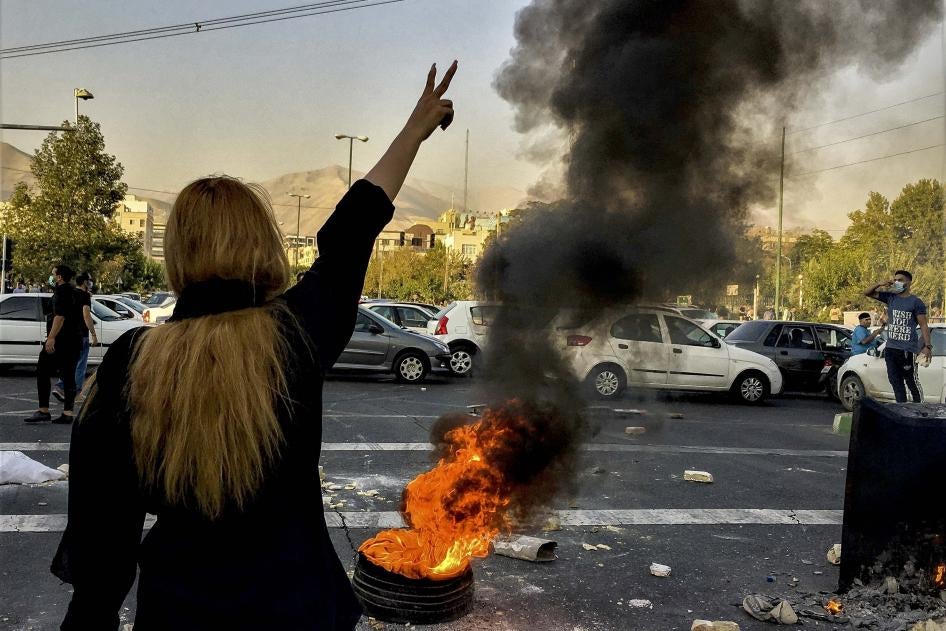 (Beirut) – Iranian authorities have ramped up their repression on civil society as the one-year anniversary of the death in custody of Mahsa Jina Amini that resulted nationwide protests nears, Human Rights Watch said today. All delegations of UN member states meeting Iranian counterparts during the annual UN General Assembly leaders’ week in New York should raise the plight of activists and put it at the center of their engagement. Iranian authorities have increased their crackdown on peaceful dissent and expression through intimidation, arrests, prosecutions, and trials of activists, artists, dissidents, lawyers, academics, students, and family members of those who were killed during the 2022 protests. They have also responded to the widespread defiance of the compulsory hijab by ramping up their efforts to impose the dress code on women, using a range of tactics, including legal summonses, new legislative initiatives, and increasing pressure on private business to impose hijab rules. “Iranian authorities are trying to impose a chokehold on dissent to prevent public commemoration of Mahsa Jina Amini’s death in custody, which has become the symbol of the government’s systematic oppression of women, injustice and impunity,” said Tara Sepehri Far, senior Iran researcher at Human Rights Watch. “But Iranian authorities can't erase the mounting frustration, louder calls for fundamental change, and the resistance and solidarity in Iranian society in the face of mounting repression.” The authorities have targeted outspoken family members of those killed or executed during the protests and have escalated their pressure on these families in recent months. Human rights groups are investigating the killing of more than 500 people, including 69 children, during the protests. Human Rights Watch has compiled reports of family members of at least 36 people who were killed or executed following unfair trials during last year’s protests who have been either interrogated, arrested, prosecuted and/or sentenced to time in prison over the past month. On August 14, BBC Persian reported that the authorities had pressured families of those who were killed during the protests to avoid holding memorial services for their loved ones. The authorities have also gone after lawyers working for or supporting the rights of protesters or their families. Saleh Nikbakht, the lawyer who represents Amini’s family, was charged with “propaganda against the state” in Branch 28 of Tehran's Islamic Revolutionary Court. Nikbakht’s lawyer told Vokala Press that the charge stemmed from Nikbakht’s interviews with domestic and foreign media on several social and political issues, including Amini’s case. The Kurdistan Human Rights Network, an independent news website, reported that judicial authorities summoned 55 lawyers to Branch 2 of the General and Revolutionary Prosecutor’s office in Bukan, in the Kurdistan province in Iran, in July. The report said that the Bukan prosecutor had filed a complaint against these lawyers for signing a statement announcing their willingness to provide legal assistance to Amini’s family. The crackdown has also escalated on college campuses. Human Rights Watch has compiled cases in which at least 27 university instructors who were critical of government policies were dismissed, suspended, forced to retire, or their contracts were not renewed since late July, before the start of this academic year. The actual number is most likely higher. On August 14, Shargh daily paper reported that university administrators had escalated pressure on students, subjecting dozens of students at Allameh Tababayi, Tarbiat Modarres, and Booali Sina universities to disciplinary measures. According to the Volunteer Committee to Follow-Up on the Situation of Detainees database, since last September, at least 161 students have been subjected to disciplinary measures for their activism related to the protests. Artists who were vocal in supporting the protest movement have faced reprisals, arrests and prosecution. On August 28, for example, the authorities arrested a singer and composer, Mehdi Yarahi, after he released a song in support of the protest movement. Mizan News, the judiciary’s news outlet, reported that Yarahi was charged with “releasing an illegal song.” On July 12, Assadolah Jafari, the head of judiciary in Isfahan province announced that a detained rapper, Toumaj Salehi, who was arrested during the protests, had been sentenced to six years and three months in prison on the charge of “corruption on earth.” A Kurdish rapper, Saman Seyedi (Yasin), who was also arrested during the protests and faces charges of “enmity against the state” for possession of a weapon and “conspiracy to threaten national security,” remains in prison. Kurdistan Human Rights Network reported that he experienced physical and psychological torture during his detention, including solitary confinement and severe beatings, and had attempted suicide. In February, Iranian authorities announced a broad amnesty, which included releases, pardons, or reduced sentences for those arrested, charged, or detained during Iran’s widespread protests. Following the amnesty announcement, Iranian authorities released many of those who had been arrested. On March 13, Hojatollah Eslam Ejeyi, the head of Iran’s judiciary said in an interview that 22,000 people were included in the amnesty orders related to the protests. Many of the human rights defenders with long prison sentences and protesters who were facing capital charges, however, were excluded from the amnesty. Moreover, since April, the authorities have arrested, sentenced or summoned to prison dozens of human rights defenders, including labor rights activists, journalists and women’s rights defenders. Some of them had been released from detention and granted amnesty only months ago. In one of the latest mass arrests, on August 16, Bidarzani, an independent women’s rights group, reported that Iranian security forces raided several homes and arrested 12 people, including 11 women’s rights defenders and a political activist in Gilan province. The General Intelligence Office of Gilan Province issued a statement saying it had arrested a network of 12 people “who were planning to disrupt security.” Intelligence and judicial authorities regularly accuse activists of vague national security charges in trial processes that fall grossly short of international standards. In addition to their brutal crackdown on peaceful dissent, since the beginning of summer, Iranian authorities have ramped up their coordinated pressure to enforce compulsory hijab laws in the country. The authorities have prosecuted women, including celebrities, for appearing in public without the hijab, issued traffic citations to cars carrying passengers without the hijab, and shut down businesses, including cafes and private sector offices, for not complying with hijab laws, according to numerous domestic media reports. In recent cases, Iran’s judiciary has ordered at least two actresses convicted for not complying with compulsory hijab laws to undergo psychological treatment. Iranian mental health associations have protested the orders. The Parliamentary Judiciary Committee is currently reviewing a 70-article draft Hijab and Chastity Bill that envisions additional penalties, including additional fines and dismissal from job and educational opportunities, for those appearing without the hijab. On August 13, Iran’s parliament moved the legislation forward to parliamentary judiciary committee review, without public debate about the draft law. Iranian authorities brutally repressed the widespread protests that erupted in September of 2022, using excessive and lethal force and arresting tens of thousands of protesters and peaceful dissidents. Human Rights Watch has documented widespread use of violence and mistreatment, including sexual harassment and torture and serious violations of due process against those arrested, including children. The authorities have executed seven people who were sentenced in trials that fell grossly short of international standards in connection to the protests. “The international community was vocal in supporting the protest movement when people took to the streets in Iran last year,” Sepehri Far said. “But achieving the rights and equality the protesters demanded is the work of generations, not months. Those who spokes out should now focus on supporting activists, artists, academics, lawyers, students, families of those killed, members of civil society and all those paying a very steep price for their ongoing resistance to oppression.”
Comments: [video]https://www.youtube.com/watch?v=K0LCw-hVxOg&ab_channel=amirarsham[/video]
Comments: A bit from that Washington Post article: “In the end, the leaderless movement, clustered in pockets across the country, was no match for the keepers of Iran’s authoritarian system. Its clerical leaders are still standing, having brutally crushed the demonstrations. More recently, they have strengthened the kind of strict social controls that gave rise to the protest movement.”
Comments: As protesters wait for the next spark, human rights investigators pursue government accountability
Comments: ۱۲۰ سازمان و کلیسای مسیحی ایرانی خواستار مقابله جامعه جهانی با «استبداد دینی» در ایران شدند
Comments: نامگذاری پارکی در پاریس به نام مهسا امینی
Comments: رسول خادم، قهرمان سابق کشتی جهان و المپیک، همزمان با سالگرد قتل حکومتی مهساژینا امینی ضمن اشاره به «مادران، پدران و بازماندگان داغدیده» در اینستاگرام نوشت که «همین جوری که میسوزم، بسوزی، کفن بهر عزیزونت بدوزی … که کُشتی یار ما رو، بیمروت
Comments: Am I correct in that this is the first time RP is showing direct leadership?
Comments: Some leadership. https://youtu.be/QKkY3a8JL78
Comments: https://youtu.be/rE5iQLRgeVo
Comments: Taremi scores for Porto. |
| < Previous 20 | Next 20 > |